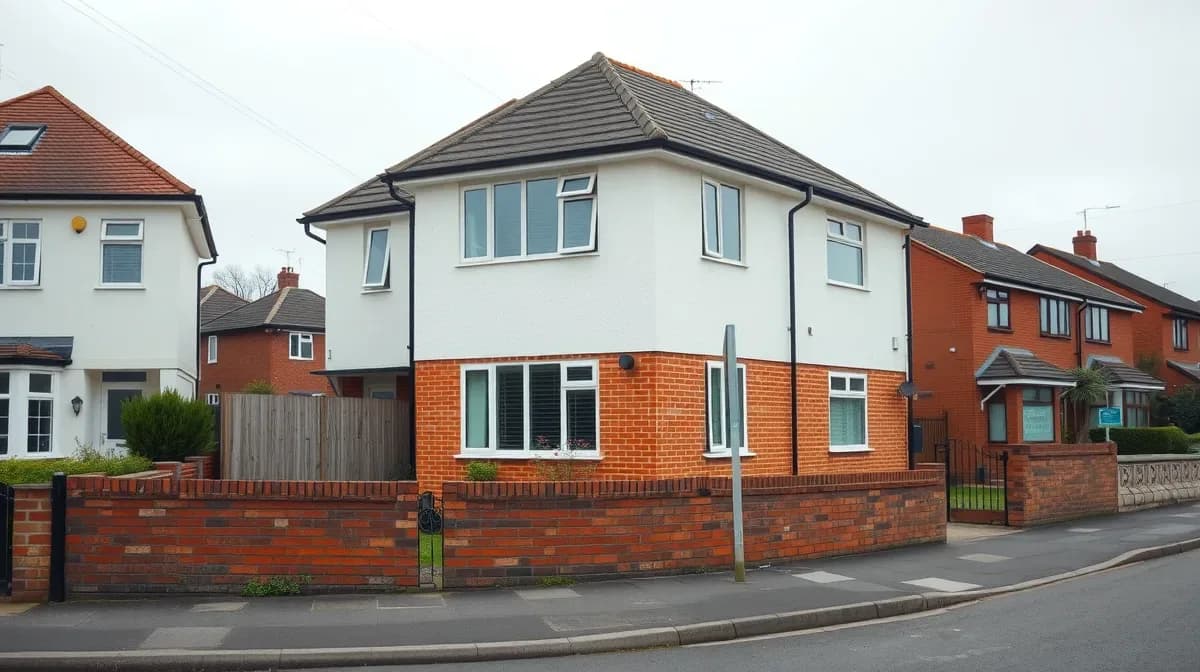
Swindon Rendering | House Rendering in Swindon — K Rend, Silicone, EWI & Commercial Rendering
House rendering, K Rend & external wall insulation specialists. Free surveys, fixed written quotes, tidy workmanship.
Swindon Rendering are rendering specialists for Swindon and the Wiltshire towns that ring it. Silicone, monocouche and K Rend systems on houses, external wall insulation on solid-wall properties, pebbledash removal, crack repair, render cleaning and painting, and commercial rendering on new build and refurbishment.
Most rendering enquiries in Swindon start from one of two places. Either the house is solid-walled and cold — the pre-1920s stock in Old Town and the villages — in which case the real answer is insulation with a render finish over it, not render on its own. Or the house was pebbledashed somewhere between the 1930s and the 1970s, the dash is now cracked, stained and hollow in places, and the question is whether to patch it or take it off and start again.
Those are genuinely different jobs with genuinely different prices, and the honest answer depends on what is behind the render rather than on what you want the front of the house to look like. We survey first, tap the existing render to find what has let go, and put the options in writing with a fixed price against each.
Residential rendering services in Swindon
We render everything from Victorian terraces in Old Town to new-build extensions across wider Swindon. All work is scaffolded, sheeted and left tidy, with beads, base coats and finishes matched to the age and construction of your property.
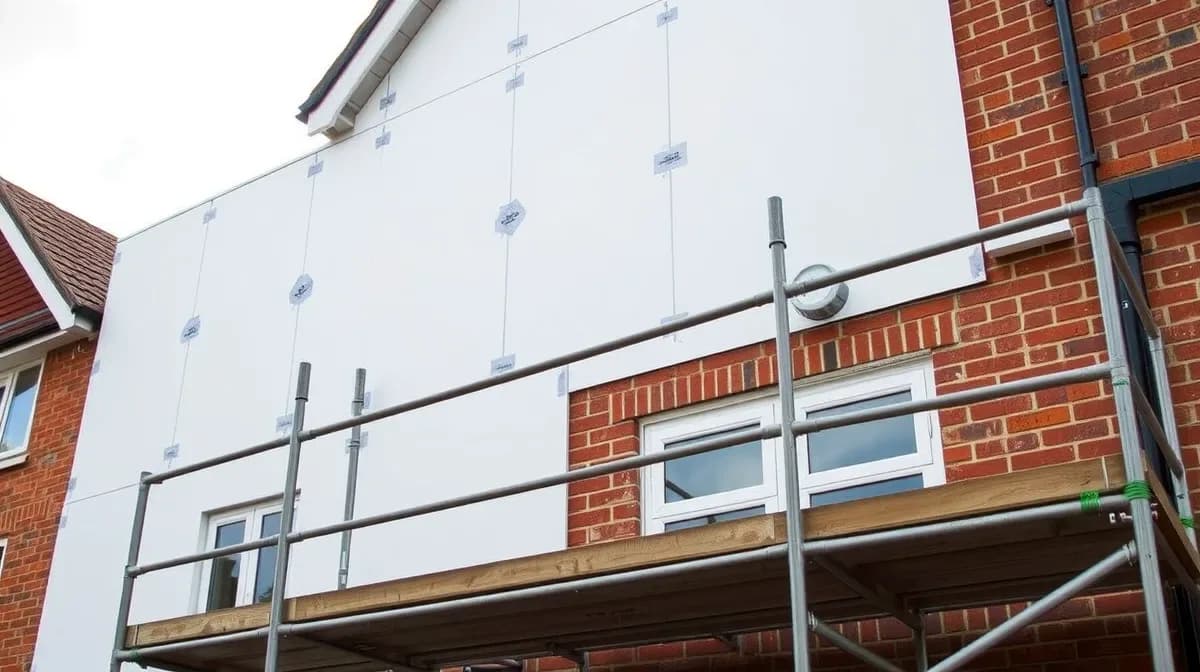
External Wall Insulation
Insulated render systems that cut heat loss and refresh the whole exterior in one job.
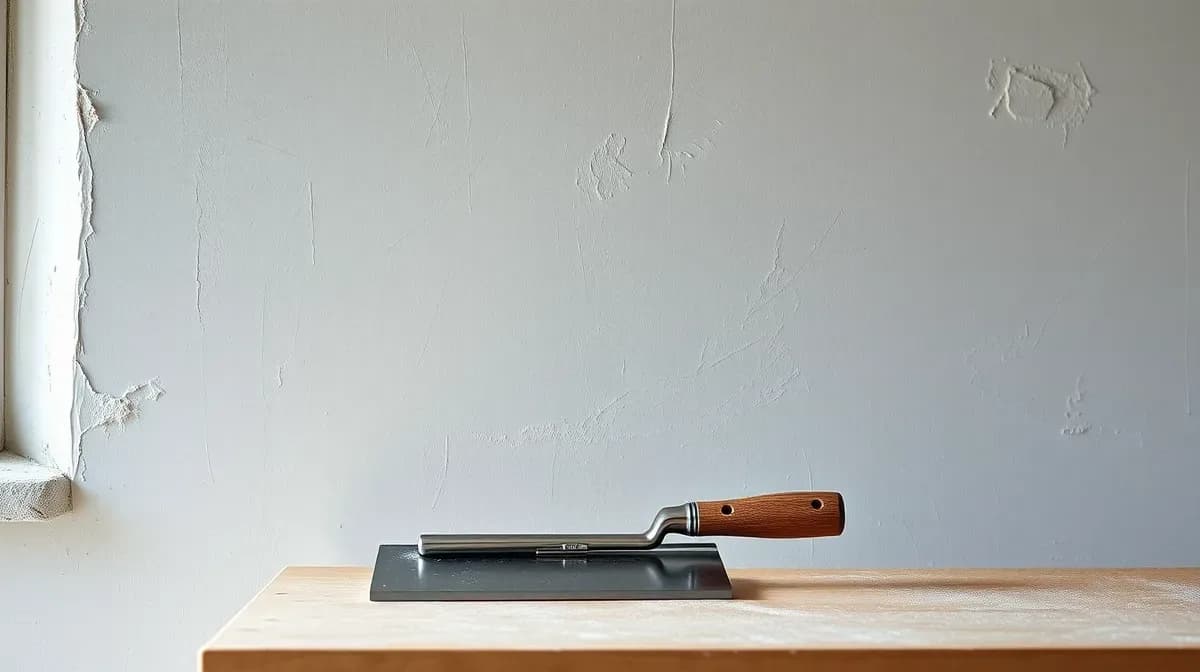
K Rend Rendering
Approved installers of K Rend through-coloured silicone finishes — no painting, low maintenance, 25-year life.
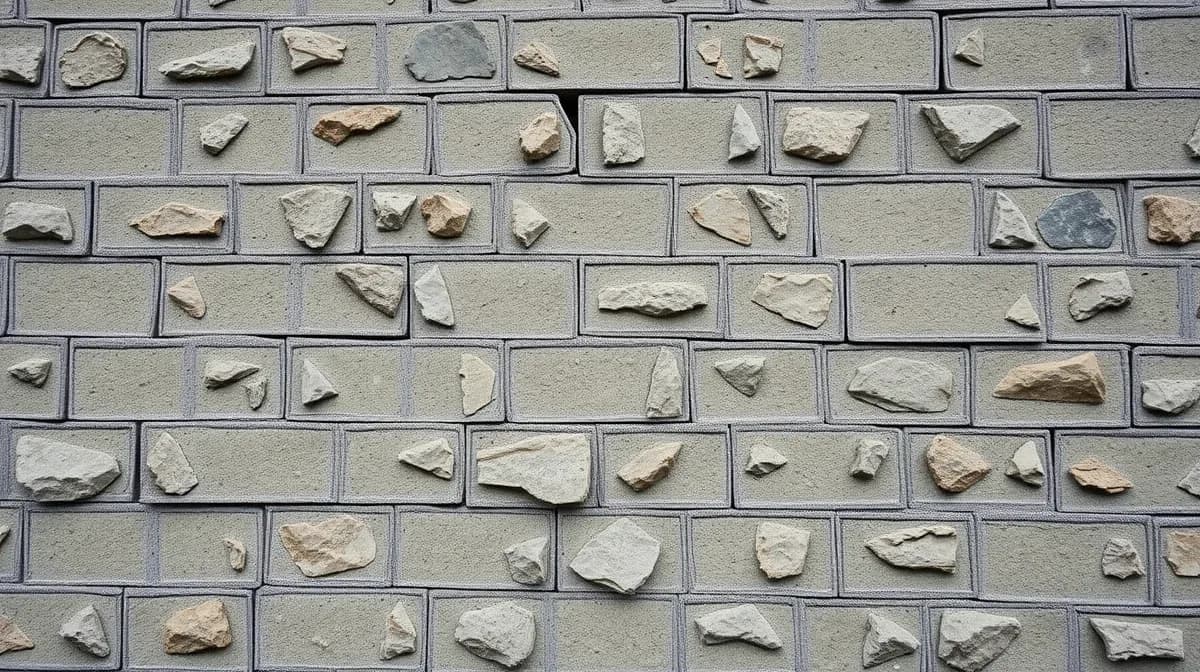
Pebbledash Removal
Tired pebbledash stripped and replaced with a smooth modern render finish.

Silicone Rendering
Breathable, crack-resistant thin-coat silicone render in any colour, ideal for modern and older homes alike.
House rendering systems we apply in Swindon
Silicone render
A thin-coat system over a reinforced basecoat, through-coloured so there is nothing to repaint. It stays flexible, lets the wall breathe and sheds water, which is why it is the default recommendation on most modern Swindon houses.
K Rend rendering
K Rend is a silicone-based through-coloured range, available in scraped texture, dry dash receiver and smooth finishes. It is the brand people ask for by name here, and the finish choice matters as much as the colour does for how it weathers.
K Rend colours and finishes
Colour is mixed into the render rather than applied to it, so the finish does not flake and never wants painting. Lighter greys and off-whites show dirt sooner on a north-facing elevation than the mid tones do — worth knowing before you choose.
Monocouche rendering
A one-coat through-coloured render applied in a single pass and scraped back to an even texture. It is quick, hard-wearing and the usual specification on new build, though it is less forgiving of movement than a silicone thin-coat system.
Sand and cement rendering
The traditional build-up, and still the right answer on some outbuildings, garden walls and repairs to like-for-like. It is the cheapest per square metre and the most prone to hairline cracking, and it will need painting and repainting.
Coloured and painted render finishes
Through-coloured systems avoid repainting altogether. Where an existing render is sound but tired, a breathable masonry coating is the sensible fix — sealing an old wall with the wrong paint traps moisture in it.
Rendering solid-wall properties
Pre-1920s houses in Old Town and the villages have no cavity, so damp moves through the wall rather than being stopped by it. Those walls need a breathable specification; a modern impermeable render on solid brick pushes the moisture problem inward.
Rendering new build and extensions
Matching an extension into an existing rendered elevation, or rendering a new build from scratch. Movement joints and bead lines get planned in at the start, because they cannot be added convincingly afterwards.
Beads, stops and detailing
Bell-cast drip beads above the damp-proof course, stop beads at openings, and movement joints where the substrate changes. This detailing is invisible when it is right and is the cause of most staining and cracking when it is wrong.
Garage and outbuilding rendering
Detached garages, workshops and garden walls rendered to match the house. Smaller jobs, and worth doing at the same time as the main elevation while the scaffold and the mixers are already on site.
External wall insulation in Swindon
Insulation with a render finish is a different product to render, and it is where the money and the benefit both are on an older Swindon property.
External wall insulation systems
Insulation board fixed to the outside of the wall, then mesh, basecoat and a render finish over the top. The wall ends up warm, the render is the visible part, and the thermal improvement on an uninsulated solid wall is the largest single upgrade most older houses can make.
Solid-wall insulation on period houses
Anything built before about 1920 is likely to be solid brick or stone. Those walls lose heat steadily and cannot be filled, so insulating externally is usually the only practical route that does not cost you internal floor space.
Insulation thickness and what it changes
A typical system adds roughly 90 to 100mm to the face of the building. That has to be designed for — eaves overhang, window reveals, sills, downpipes and the meter box all need addressing, and a system that ignores them looks wrong forever.
Render finishes over insulation
The topcoat can be silicone thin-coat, brick-effect or a dashed finish. The insulation is doing the thermal work; the render decides what the house looks like and how often you have to think about it again.
Damp, condensation and breathability
Insulating a wall changes where the dew point sits inside it. Get the build-up right and condensation problems generally improve; get it wrong and you can move damp somewhere less convenient, which is why the survey comes before the specification.
Cost and payback on EWI
It is the most expensive thing on this site by square metre and the one with an actual return, in lower heating bills and a warmer house. We quote it against plain re-rendering so you can see what the insulation is costing on its own.
Render repair, removal and cleaning
Pebbledash removal
Hacking off old dash back to sound brick or block, making good, and re-rendering in a modern system. It is dirty, noisy work and it transforms a 1960s elevation more than any other job we do.
Pebbledash repair
Where the dash is largely sound, blown patches can be cut out and re-dashed. Matching aggregate on a fifty-year-old elevation is never perfect, and we will tell you honestly whether a repair will read as a repair.
Cracked render repair
The first question is always whether a crack is shrinkage or movement. Shrinkage cracking is cosmetic and fillable; movement cracking will come straight back through any repair until whatever is moving has been dealt with.
Blown and hollow render
Render that has lost its bond sounds hollow when tapped and will eventually come away in sheets. Tapping the whole elevation at survey is how we work out how much is actually repairable and how much is coming off.
Damp patches and staining
Persistent staining below a sill, beside a downpipe or above the DPC is usually a detailing fault rather than a failed render. Fixing the cause first stops you paying for the same repair twice.
Render cleaning
Algae and organic growth on north-facing walls are treated with a biocide wash and left to weather off. High-pressure washing a silicone render damages the surface and makes the next bloom arrive sooner.
Render painting and recoating
Where the render itself is sound, a breathable masonry coating buys years for a fraction of a re-render. The critical word is breathable — a non-permeable coating on an old wall traps water in it.
Re-rendering over existing render
Sometimes viable, often not. It depends entirely on how well the existing coat is still bonded, and that is a survey question rather than something anyone can answer from a photograph.
Commercial and new-build rendering in Swindon
Commercial render and refurbishment
Rendering and re-rendering on units, offices, retail parades and blocks of flats across Swindon. Large elevations, programmed access and work sequenced around the building staying open.
New-build housing render packages
Monocouche and thin-coat packages on new housing, run to a programme with other trades. Priced by elevation and by plot rather than as a one-off day rate.
Render on blocks of flats
Multi-storey elevations where scaffold, resident access and fire-performance of the specified system all have to be settled before a spec is issued.
Repair and maintenance contracts
Ongoing render repair across managed housing and commercial portfolios, with photographic reporting on what was found and what was done.
Substrate preparation on commercial work
Blockwork, concrete panel and existing render all take a different primer and basecoat. Skipping that step is the single most common reason a large rendered elevation fails early.
Scaffold, programme and access
On a commercial elevation the access is frequently a bigger line than the render. It gets priced into the quote up front rather than appearing once the job is agreed.
What rendering costs in Swindon — and how long it takes
Two questions come up on almost every call: what will it cost, and how long will the scaffold be up. Here are the ranges we quote most often in Swindon. The variables that actually move the price are the state of the existing wall, access at the back of the property, and which system you go for.
| Job | Typical cost | Time on site |
|---|---|---|
| Front elevation only, silicone render | £2,000 – £4,000 | 3–5 days |
| 2-bed terrace, fully rendered | £3,500 – £6,000 | 5–8 days |
| 3-bed semi, silicone or K Rend | £6,000 – £10,500 | 7–10 days |
| Pebbledash stripped and re-rendered, 3-bed semi | £7,000 – £11,500 | 8–12 days |
| External wall insulation, 3-bed semi | £8,500 – £14,000 | 2–3 weeks |
Guide ranges for 2026, based on the jobs we price most often. Access, condition and spec move the figure — every job gets a free survey and a fixed price in writing before any work starts.
How a rendering job in Swindon is surveyed and run
Step 1 — Survey and tapping the existing render
We tap across the elevation to find where the old coat has lost its bond, look at the detailing around sills, reveals and the damp-proof course, and establish whether the wall is solid or cavity. Those three findings decide the whole specification, and none of them can be judged from a photograph or over the telephone.
Step 2 — Choosing the system and the colour
Silicone, monocouche, K Rend or traditional sand and cement are different products with different lifespans and different tolerance for movement. Colour is chosen from physical samples viewed on your own wall, in daylight, because a swatch indoors and a north-facing elevation in February are not the same thing.
Step 3 — The fixed written quote
One price on paper naming the system, the basecoat, the mesh and the finish — not simply the word 'render'. Scaffold is inside the figure. Where an elevation may turn out worse once the old coat is off, the extra preparation rate is agreed before anybody starts hacking.
Step 4 — Scaffold, protection and preparation
Scaffold up, windows, doors and ground protected, and the substrate prepared — hacking off, cutting out, repairing brickwork and fitting the beads. Preparation is the unglamorous majority of a rendering job and the part that decides whether it cracks.
Step 5 — Basecoat, mesh and topcoat
A reinforced basecoat with alkali-resistant mesh embedded in it, then the finish coat applied and worked. Render is weather-dependent: it is not applied in frost, in driving rain, or onto a wall in full hot sun, and we would rather tell you that than rush a coat that will fail.
Step 6 — Sign-off and system guarantees
Scaffold struck, ground and glass cleaned down, and the elevation walked with you. Because we apply full manufacturer systems rather than mixing components from different suppliers, the product guarantee stands — and it goes to you in writing with the workmanship guarantee.
Who we render for around Swindon
Homeowners
The bulk of the work — re-rendering tired elevations, taking off pebbledash, and insulating solid walls on older houses. Usually the single biggest visual change a property can be given for the money.
Self-builders and new build
Monocouche and thin-coat packages on new houses and extensions, run to a programme alongside other trades, with movement joints and bead lines set out at the start rather than improvised.
Landlords and letting agents
Render repair and recoating on let property, where the aim is usually to stop water getting in and to stop the elevation looking neglected, at a defensible cost.
Blocks of flats and managing agents
Multi-storey elevations where scaffold, resident access and the fire performance of the specified system all have to be settled before a specification can be issued.
Commercial premises
Units, offices and retail parades, rendered or re-rendered with the programme built around the building staying open and the access priced honestly up front.
Builders and extension contractors
Matching a new extension into an existing rendered elevation — which sounds trivial and is the thing most often visibly botched on an otherwise good job.
Areas we cover
We render across Swindon and out to about twenty-five miles. Marlborough, Calne, Chippenham, Cirencester and Malmesbury bring the older solid-walled stone and brick, which is where insulation usually enters the conversation. Royal Wootton Bassett, Highworth, Wroughton, Cricklade, Purton, Shrivenham and Faringdon run to a mix of period property and modern cavity-walled housing, and the right specification differs between them.
Frequently asked questions
Ready for a free, no-obligation quote?
Call 01793 569534